Driving And Cellphones: The Dangers And The Solutions

Driving and cellphones are a troublesome combination. Only twenty years ago, cellphones were extremely rare and comically cumbersome machines. But these days, if you do not have a cellphone, you are in a vanishingly rare minority. They’re everywhere, and most people spend a good chunk of their waking hours staring at their cellphone screen.

Cellphones have brought a lot of good to the world. They benefit people’s lives in many ways; today, most details of a person’s life are monitored and organized by their phone. But they do have their detractors. People say that cellphone usage has become so constant in the lives of most people that in-person social interactions have dried up and people have become more isolated and lonely. Cellphones becoming so ubiquitous has its pros and cons, but the value or harm that a person’s cellphone usage brings to their lives surely depends on how they use their phone.

One way that cellphone usage can cause enormous harm is if they use their phone while driving. Using a cellphone while driving can have disastrous, tragic consequences for the cellphone user and other road users that come into contact with them. Read on for all you need to know about driving and cellphones, and why they can be such a dangerous combination.

Dr Handicap - vehicle accident
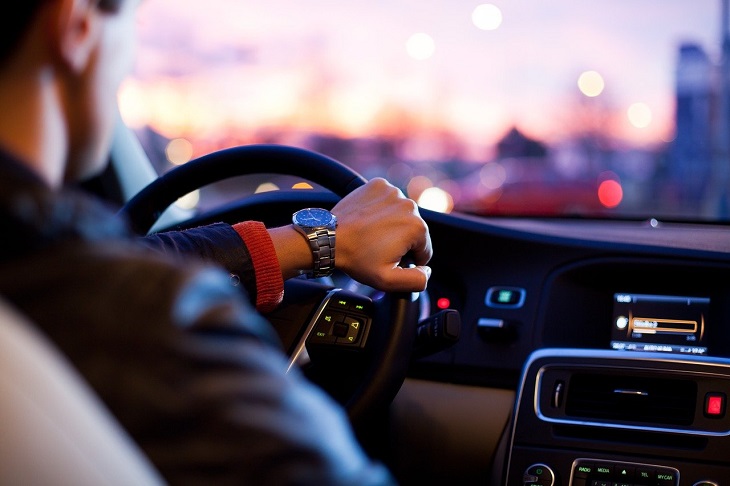
Image by PublicDomainPictures on Pixabay: What are the dangers of using a cellphone while driving?

What Are The Dangers Of Using A Cellphone While Driving?

Using a cellphone while driving disrupts a driver’s concentration and focus. The resulting distracted driving makes having a crash considerably more likely. Studies have shown that using a cellphone while driving increase the likelihood of getting into a crash by an enormous 400%!

On average, nine people are killed and 1,000 are injured on American roads every day due to distracted driving. A large amount of this distraction is caused by using a cellphone while behind the wheel.

What Are The Risks Of Using A Cellphone For Disabled Drivers?

Disabled drivers face all the same risks if they use a cellphone while driving. For some disabled drivers who have a lot of adaptive driving equipment installed in their vehicle that they need to operate and monitor, distraction from a cellphone may even be more problematic.

Can I Answer My Phone While Driving?

It is very dangerous to answer a handheld cellphone while driving. The vast majority of US states have banned handheld cellphone usage while driving. Texting while driving is also illegal in almost every state, and even in the tiny minority of states that have not yet made handheld cellphone usage while driving illegal, we strongly advise that you do not do it.

You can answer your phone while driving if it is connected to a hands-free device and you are over 18.

Solutions To Stop Cellphone Use While Driving

Here are some suggestions for avoiding cellphone use entirely while driving.

  • Use apps that detect when your vehicle is moving and prevent your phone from receiving calls and texts, such as AT&T DriveMode
  • Use settings that block your cellphone’s function while in the car
  • Set your phone to drive mode if it is available
  • Put your cellphone on silent mode
  • Put your cellphone out of reach while driving
  • Turn your cellphone off while driving
  • Use a separate GPS device so you don’t have to use your cellphone for navigation

Cellphone Safety Tips While Driving

Here are some suggestions for using a cellphone safely while driving.

  • Use a hands-free device
  • Only use hands-free when in situations where a conversation won’t cause a dangerous distraction
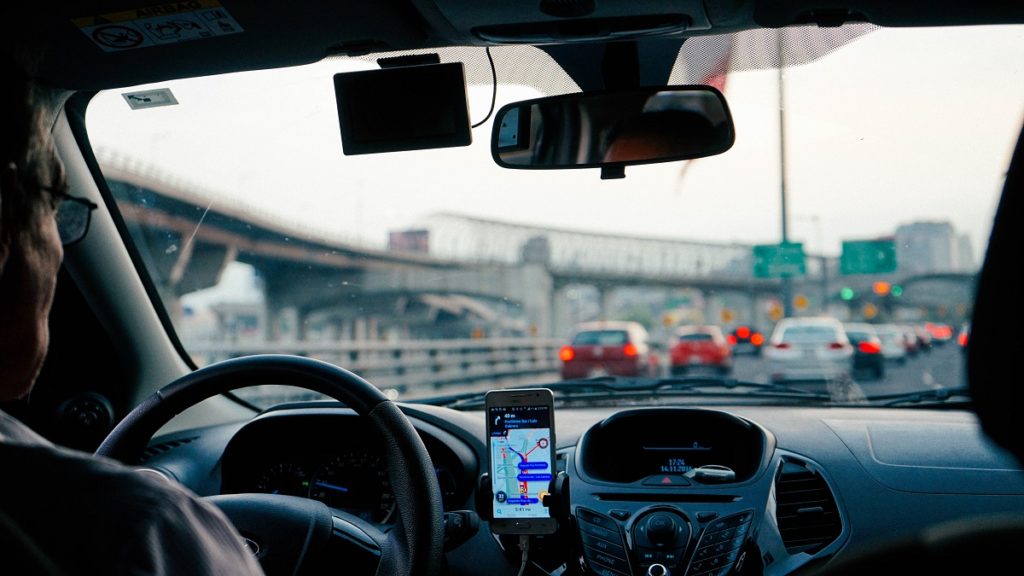
Disabled Parking - car conversion
Image by StockSnap on Pixabay: What are the solutions to stop cellphone use while driving?

How To Get A Disabled Parking Permit

Getting a disabled parking permit can bring huge improvements to a disabled driver’s quality of life. The qualifying conditions for a disabled permit vary slightly state by state, but the most common qualifying conditions are:

  • Not being able to walk 200 feet without needing to stop to rest
  • Any condition that impairs mobility to the extent that the use of a walking aid such as a wheelchair, brace, or cane is required.
  • Lung disease
  • Heart disease
  • Legal blindness
  • An orthopedic, neurological, or arthritic condition that impairs mobility

The best way to apply for a permit is to arrange an online consultation with a medical professional through Dr. Handicap. Once your condition has been verified, your DMV application form will be filled out by the medical professional, and you’ll be on your way to accessing more convenient parking wherever you go.
Featured image by Pexels on Pixabay

7 Tips On How To Avoid Driving Distracted

Knowing how to avoid driving distracted is extremely important. In fact, it is crucial, because distracted driving is a major cause of serious injury and death on the road.

Distracted driving causes thousands of car accidents every day on American roads. And sadly, many Americans have ended up permanently disabled because either they or another road user were driving distracted.

A vehicle is a lethal weapon in the hands of a distracted driver. A car, van, truck, or motorcycle becomes capable of wreaking destruction when it is not under the control of a responsible, skilled driver.

The right to drive on public roads should never be taken for granted. Each road user bears a huge responsibility to drive safely and to protect themselves and other drivers. Driving is an art that requires skill and concentration to perform well.

Unfortunately, some drivers on American roads do not take driving as seriously as they should. What they may not realize is that all it takes is a microsecond of inattention for serious accidents to eventuate.

Dr Handicap - vehicle accident
Image by PublicDomainPictures on Pixabay: Distracted driving can result in crashes, injury, and even death.

What Is Distracted Driving?

Distracted driving means driving when you are not fully and completely concentrating on the act of driving, and/or the environment and surroundings that are relevant to safety while driving.

What Causes Distracted Driving?

Any number of things can cause distracted driving. There are many possible external distractions in the environment, both inside and outside the vehicle. These include cellphones, music, passengers, eating or drinking, reading road signs, and looking at the landscape.

It is also very possible to be distracted internally by thoughts, emotional states, illness, tiredness, or intoxication.

What Is The Main Cause Of Distracted Driving?

You might be wondering, “What is the number one cause of distracted driving?”. Well, by quite some distance, the most common cause of distraction while driving is phone usage.

This comes as little surprise, because practically everybody now seems to be at least somewhat addicted to their cellphone. It is illegal to use a cellphone while driving, but unfortunately, too many drivers still flout this law.

Why Is Distracted Driving Dangerous?

Distracted driving is dangerous because it is one of the most common causes of traffic accidents. Distracted driving causes serious injury and death to thousands of Americans every year.

How Can We Prevent Distracted Driving?

Thankfully, there are plenty of effective ways to manage distractions while driving. Read on for some tips on how to avoid distraction and stay focused at all times while driving.

1. Don’t Use Your Phone While Driving

As we mentioned, cellphone usage is the number one cause of distracted driving. Cellphone usage while driving kills. You must resist the urge to use your cellphone in any way while driving, because all it takes is one moment of distraction for tragedy to ensue. No text message is worth that!

2. Prepare Before Getting Behind The Wheel

A major cause of distraction while driving is putting on a seatbelt, or adjusting the seatbelt or seat, while the vehicle is in motion. This is dangerous and can easily lead to a crash. Always prepare to drive before you start driving, and don’t get onto the road until you’re settled and ready.

3. Don’t Drive While Drowsy

Tiredness and drowsiness are major causes of distracted driving. To avoid distracted driving due to fatigue, always pull over for a break, nap, coffee, or fresh air when you are feeling drowsy behind the wheel.

4. Don’t Eat While Driving

Eating while driving can be very distracting. Whether you’re trying to unwrap food or worrying about spills and crumbs, it can take your all-important attention away from the road and your surroundings. Avoid eating while driving; if you need a snack, pull over.

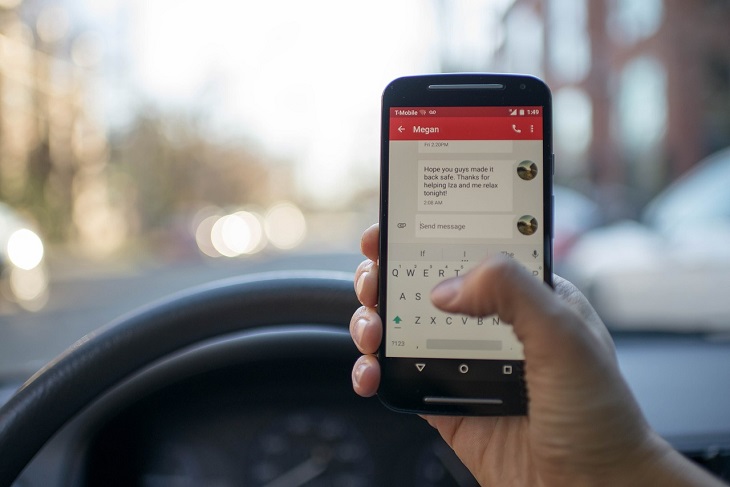
Dr Handicap - using phone while driving
Image by StockSnap on Pixabay: Never use your cellphone while driving.

5. Avoid Loud Conversation, Music, Podcasts, And Backseat Drivers

Conversation with other people in the car, listening to backseat drivers, getting lost in loud music or a podcast… All of these can result in distracted driving. To avoid distraction, make sure that no sound going on inside your vehicle is taking your attention away from the road.

6. Don’t Drive With Too Many Passengers

An overcrowded car can be very distracting. To avoid the dangers of driving while distracted, do not ever allow your car to have too many passengers, and ensure the passengers you do have are respectful and quiet.

7. Make Sure Your Vehicle Is Well Maintained

Driving a vehicle that has technical issues can be very distracting and dangerous. Always make sure that your vehicle is well-maintained and in great working order.

Featured image by Free-Photos on Pixabay

Parking Your Car At The Doctor’s Office: How To Maintain Social Distance

The coronavirus pandemic is still taking its course in the US. Many areas of the country still have high infection rates; COVID-19 is causing a lot of people to get sick and death rates are still high. There is also a lot of psychological suffering being caused indirectly by the pandemic. People are suffering from stress caused by anxiety, worry, and economic woes.

Even though it is safer to stay at home whenever possible, it is still necessary for millions of Americans to visit their doctor in-person during the pandemic. Many disabled parking permit holders still have consultations they need to attend because they can only be done in-person. For this reason, it’s essential that you know how to stay safe by maintaining social distance when visiting the doctor’s office.

The COVID-19 pandemic is an unprecedented event. The rules around staying safe are new and often subject to change. So, disabled drivers may have a lot of questions about how to stay safe when visiting their doctor for an in-person consultation during COVID-19… What is social distancing? What is the social distancing guideline for COVID-19? How can I safely travel with COVID-19 if I need to get medical care? How do you maintain social distance while visiting your doctor during covid?

We will answer all of these important questions today.

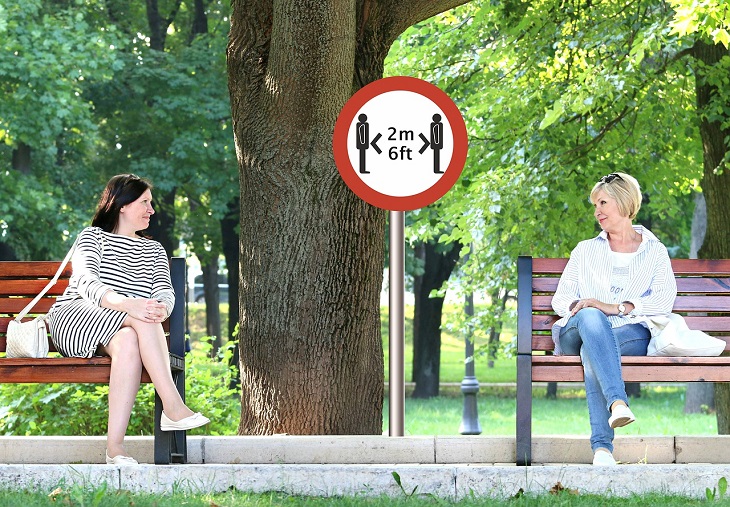
Dr Handicap - social distancing
Image by Tumisu on Pixabay: Maintain social distancing when visiting your doctor and whenever you’re out in public.

What Is Social Distancing?

“Social distancing” is a term most of us had never heard until the beginning of 2020. But now the vast majority of the humans on the planet have heard it (or their mother tongue’s variation, at least!). Social distancing is a public health measure implemented to prevent the spread of a contagious disease. It involves maintaining a set physical distance between people and reducing the amount of close contact people have with each other.

What Is The Social Distancing Guideline For COVID-19?

Social distancing is seen as being a major weapon in the fight against COVID-19. COVID is a highly contagious virus and so stopping contagion, or keeping it as low as possible, is extremely important. The social distancing guideline for COVID-19 is that people should stay at least six feet away from each other, even if neither person has any symptoms of the disease.

There are also various measures that restrict social gathering and household mixing. The specific details of these measures vary state by state.

How Can I Safely Travel With COVID-19 If I Need To Get Medical Care?

Traveling during COVID-19 is not recommended unless it is essential. Traveling to get medical care is considered essential travel. When traveling during COVID, it is crucial that you stay safe by following social distancing guidelines. If you are traveling in your own vehicle, the main danger points are getting to and leaving your vehicle, so maintain strict social distance during these times.

How To Maintain Social Distance At The Doctor’s Office

When visiting your doctor during COVID it is essential to maintain social distance. When parking your car at the doctor’s office, try to park in a space that is not surrounded by other cars. While entering and exiting your vehicle and walking to the doctor’s office, stay six feet away from other people.

Social distancing in waiting rooms is usually quite straightforward because you are only allowed to sit in certain seats that are at least six feet apart. It is important that you always wear a face mask while in the doctor’s office. Finally, wash your hands and use sanitizer after touching any surfaces in your doctor’s office or in the parking lot.

Dr Handicap - parking lot
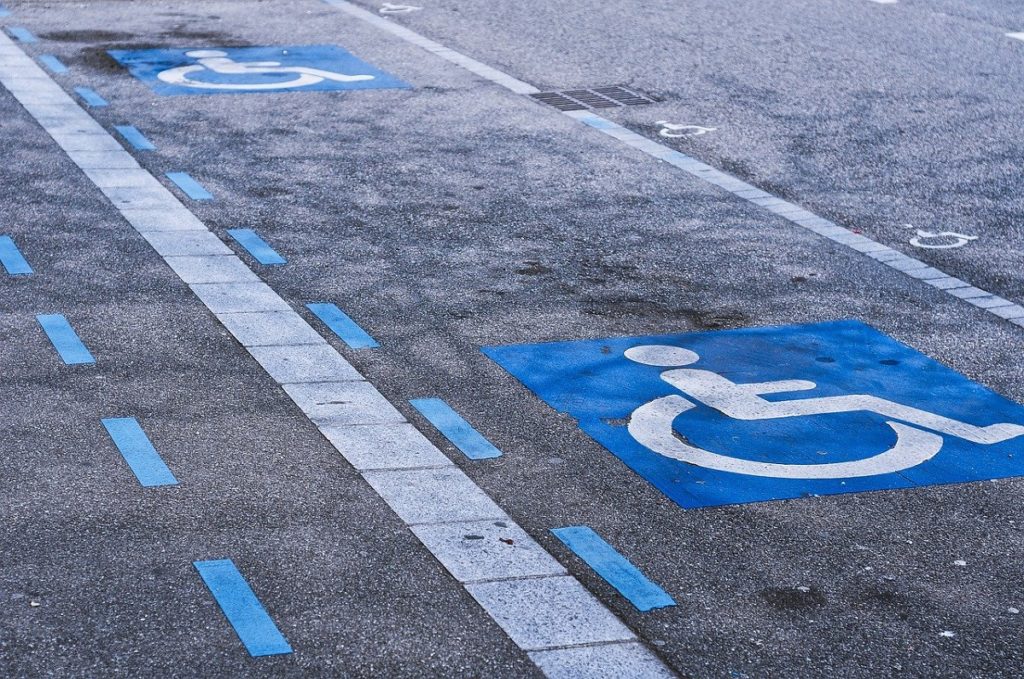
Image by blickpixel on Pixabay: Stay socially distanced by finding a parking space that is far from other people.

How Do You Maintain Social Distance When Applying For A Disabled Parking Permit?

The best way to maintain social distance when applying for a disabled parking permit is to apply online using telemedicine. The Dr. Handicap online clinic will set up a remote telemedicine consultation between you and a licensed doctor in your state.

The doctor will examine you in order to verify your disability and suitability for a disabled parking permit. Once you have been approved for a disabled parking permit, the doctor will certify any forms needed for you to acquire access to your state’s parking program. It is a quick, easy, and socially distanced process.

Featured image by Bofu Shaw on Unsplash

4 Car Conversion Tips For Disabled Drivers

Having a physical disability absolutely does not need to prevent you from enjoying the freedom and independence that driving your own vehicle allows. The ability to get around, go where you want when you want, and to live life on your own terms, is a right and not a luxury. And in 2021, disabled drivers have fewer limitations on their freedom than ever before!

A myriad of excellent vehicle modification options now exist for disabled drivers. The world of vehicle adaptations and modifications is rich in innovation. Modern technological progress has made it possible for a raft of extremely effective new disabled vehicle adaptations to come to market over the last decade.

There is a raft of options to choose from when adapting a vehicle for use by a disabled driver. Of course, everything depends on the specific needs and requirements of the driver. Choosing what vehicle adaptations are best for you can be exciting, but also daunting. Today we’ll discuss some helpful car conversion tips for disabled drivers.

Dr Handicap - hand controls
Image by Free-Photos on Pixabay: There are lots of options when it comes to converting a car for a disabled driver.

How Do You Make A Car Handicap Accessible?

How you go about making a car handicap accessible is dependent on what the requirements of the driver will be. There are a lot of different adaptations and modifications available for disabled drivers. It is important that you understand your own needs and that you are aware of all of the options available to you.

Some disabled drivers will need only very minimal modifications, such as installation of a steering wheel knob. Other drivers will need to install full hand controls or raise the ceiling or roof of their vehicle.

What Are Modified Cars For Disabled Drivers?

You can get a modified car for disabled drivers that is specially made in the factory for use by people with disabilities. Alternatively, you can modify your own vehicle by adding adaptations and modifications once the car has left the factory. Modifications can be added to older vehicles easily and effectively.

How Can I Make My Car Wheelchair-Accessible?

There are plenty of options for making your car wheelchair-accessible. The most popular adaptations for wheelchair users are:

  • Wheelchair lifts
  • Wheelchair ramps
  • Dropped floors
  • Raised ceilings
  • Seat modifications

How Do You Go About Converting A Car For A Disabled Driver?

Some disabled drivers like to buy a vehicle that has been specially manufactured for use by disabled people. However, most disabled drivers prefer to use their own vehicle and have conversions done by professionals or to do their conversions themselves. This is usually a cheaper option.

What Vehicle Conversions Are Available For Disabled Drivers?

The most common vehicle conversions for disabled drivers are:

  • Hand controls
  • Adaptive steering devices
  • Adaptive ignition controls
  • Automatic doors
  • Pedal or seat belt extenders
  • Left-foot accelerators
  • Seat modifications
  • Wheelchair lifts and ramps
  • Raised roof
  • Dropped floor
Dr Handicap - wheelchair
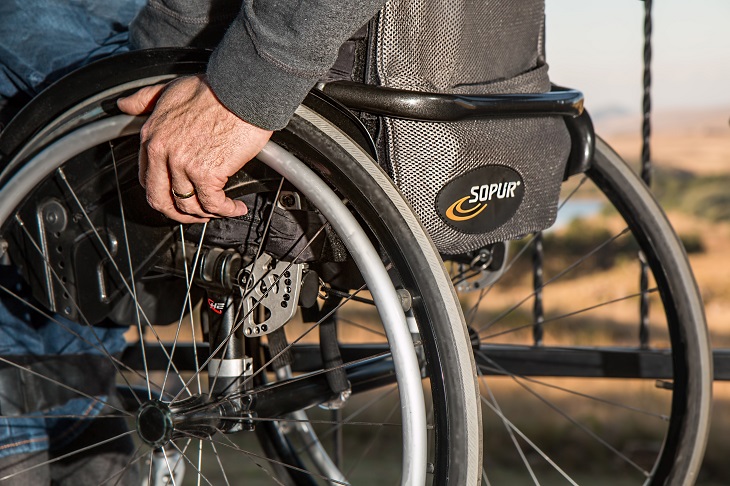
Image by stevepb on Pixabay: There are lots of options for making your car wheelchair-accessible.

Top Car Conversion Tips For Disabled Drivers

1. Keep An Open Mind

When planning to get a vehicle conversion, it helps to keep an open mind. Only a decade ago, the options in this space were much more limited than they are today. You may be surprised to discover how much amazing technology is now available that can make life much easier for disabled drivers.

2. Put Safety First

Always have safety at the front of your mind when deciding what adaptations to choose for your vehicle. Ultimately, the most important element of a car conversion is that it is enjoyable, easy, and safe to use.

3. Ask The Experts

Often the best people to ask when choosing car conversions as a disabled driver are disabled driving instructors or disabled driving schools. Professionals in the disabled driving space are experts and will be up to date on the newest technology, so avail of their expertise. They will be happy to advise.

4. Shop Around

Don’t just jump in and buy the first thing that gets you excited. There are big differences in price between different garages, dealerships, and manufacturers. Do your bank balance a favor and shop around when buying disabled driver adaptations for your vehicle.

How Do You Apply For A Disabled Parking Permit?

If you’re a disabled driver and don’t already have a disabled parking permit, now’s the time to get one. The best way to apply for a disabled parking permit is to arrange a telemedicine consultation with a licensed physician through the Dr. Handicap online clinic. Dr. Handicap will arrange a video chat with a licensed physician in your state who will examine you and verify your disability.

Once your suitability for a disabled parking permit has been confirmed, the physician will certify the forms needed for you to acquire access to your state’s handicap parking program. It is a quick and simple procedure.

Featured image by Dan Gold on Unsplash

What Is A Disabled Driver Decal?

Disabled drivers in America benefit hugely from owning a disabled parking permit. A disabled parking permit is a legal document that entitles its holder to use disabled parking spaces in whatever jurisdiction they are in. Disabled parking spaces are located in every part of the US. Being able to avail of disabled parking helps to even the playing field for people with disabilities.

Disabled parking infrastructure must adhere to the Americans With Disabilities (ADA) guidelines. ADA guidelines stipulate how many disabled spaces need to exist in a given area, where these spaces need to be located, and who can use these spaces. The ADA regulations are designed to benefit the lives of disabled drivers and to help them to live independently and to get around freely.

As a disabled driver, it is helpful to know as much as possible about the disabled parking system. Knowing the details of the rules and regulations of the disabled parking program makes life easier for disabled permit holders.

There are several different types of disabled parking permit available. What type of disabled parking permit is best suited to a person’s needs will depend on several factors, such as what vehicle they drive, whether they regularly travel in more than one vehicle, what type of a disability they have, and how long their disability will last.

Dr. Handicap - Blue Handicap Parking Space
Image by paulbr on Pixabay: A disabled driver decal can be affixed to a license plate.

Are Disabled Parking Rules The Same In Every State?

The general gist of the disabled parking rules is similar in every state. This is because all states must adhere to ADA regulations. However, each jurisdiction implements their own independent disabled parking program, and some differences exist in the specific details of each state’s program.

What Types Of Disabled Parking Permit Are Available?

The most common types of disabled parking permit, which are available in the majority of states, are:

  • Permanent disabled parking permit (in the form of a placard, license plate, or decal)
  • Temporary disabled parking placard
  • Disabled Veterans license plate or decal
  • Organizational disabled parking placard

What Is A Disabled Driver Decal?

A disabled driver decal is a type of sticker that is durable and can withstand the elements. It is a version of a disabled parking permit that can be affixed to a license plate or to a vehicle that cannot hold a disabled parking placard, such as a motorcycle or boat.

Who Can Get A Disabled Driver Decal?

A disabled driver decal can be obtained by any person who qualifies for a permanent disabled parking permit. This includes people who qualify for a Disabled Veteran’s disabled license plate.

How Many Handicap Stickers Can You Get?

In most states, you can get several disabled parking decals if you need to. You can get a handicap sticker for each of the vehicles that you own.

How Does A Disabled Driver Decal Differ From Other Forms Of Disabled Parking Permit?

A disabled driver decal is a type of disabled parking permit, so it entitles its holder to all of the same benefits as any other type of disabled permit. The benefit of a decal is that it can be affixed to a license plate or to a vehicle that does not have a license plate, such as an off-road vehicle or boat. It can also be affixed to a vehicle that is not suited to displaying a disabled placard, such as a motorcycle.

Is A Handicap Sticker Valid In Every State?

A handicap sticker from any US state is also valid in every other US state. US disabled driver decals are also valid in several foreign countries, including Canada, Mexico, Japan, Australia, the EU, and Great Britain.

How Do You Get A Handicap Sticker?

You can get a handicap sticker from your local disabled parking authorities. In most jurisdictions, this will be the local Department of Motor Vehicles.

Dr Handicap - disabled parking permit
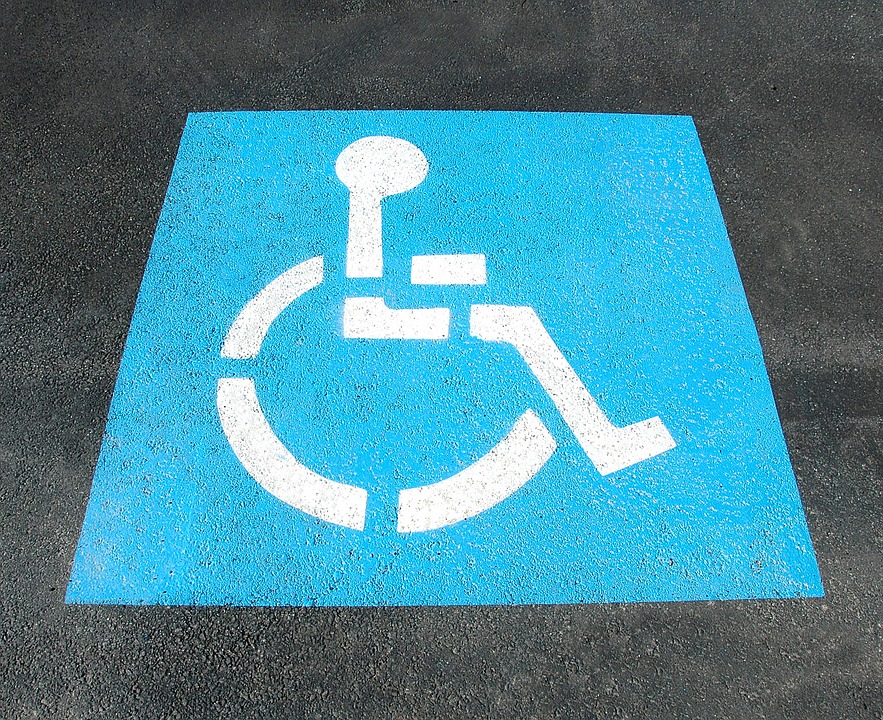
Image by gregroose on Pixabay: A disabled driver decal entitles its holder to park in any disabled parking space in America.

What Are The Qualifying Conditions For A Disabled License Plate Decal?

The qualifying conditions for a disabled driver decal differ slightly state by state. But the main qualifying conditions are:

  • An inability to walk 200 ft without needing to stop to rest
  • An inability to walk without the aid of an assistive device or another person
  • A heart condition
  • Lung disease
  • Any condition that necessitates the use of portable oxygen
  • Legal blindness
  • An orthopedic, arthritic, or neurological condition that curtails mobility

How Do You Apply For A Disabled Driver Decal?

The easiest way to apply for a disabled driver decal is online through the Dr. Handicap online clinic. Dr. Handicap will set up a consultation with a licensed physician in your state, who will examine you to verify your condition and fill in the relevant sections of your state’s disabled permit application forms.

Featured image by Shutterbug75 on Pixabay