10 Things You Need To Know About Tax As A Disabled Driver

For millions of disabled Americans, the ability to drive is an essential and invaluable lifeline. Without access to a vehicle, many disabled Americans would be left stranded, cut off from society and the businesses and amenities we all depend on.

Many disabled drivers need to use vehicles that have been modified and adapted. Specially adapted vehicles enable people with a very wide range of disabilities to enjoy a high level of freedom and independence. Modern technology has enabled the creation of ingenious vehicle modifications that make it possible for disabled drivers to operate their vehicles safely and effectively.

Adapted vehicles for disabled drivers do not come cheap. A lot of extra expenses are associated with being a disabled driver. The IRS realizes that these extra expenses are not luxuries, they are essential necessities. For this reason, the IRS allows many of the expenses related to driving with a disability to be tax-deductible.

As a disabled driver, it is crucial that you understand your tax rights. Being knowledgeable about tax and what you are entitled to as a disabled driver, or as a caregiver to a disabled person, can save you a lot of money.

Here are 10 things you need to know about tax as a disabled driver.
Dr Handicap - income tax
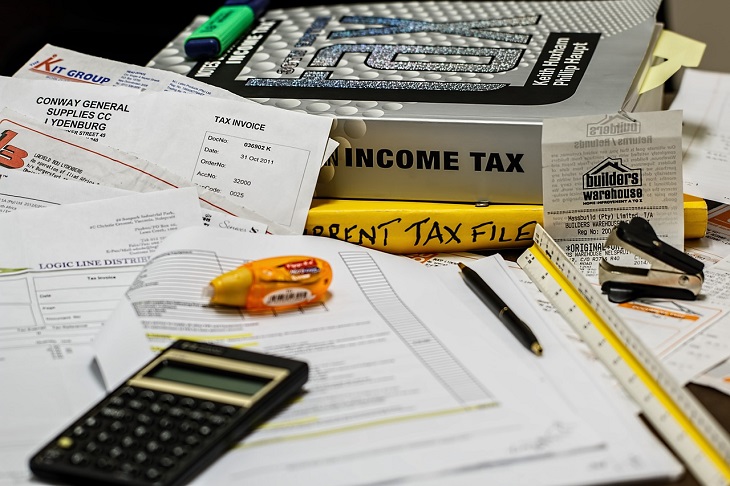
Image by stevepb on Pixabay: Are you taxed as a disabled driver? Yes, but deductions may be available.

1. Don’t Miss The Tax Return Deadline

As a disabled driver it is important that you file your tax return correctly and on time. Disabled driver tax deductions can put a lot of money back in your pocket, so you don’t want to miss out!

The deadline for filing your IRS tax return is in April. The exact date changes year to year. In 2021 the federal tax date is Thursday April 15th.

State tax returns can be filed along with federal tax returns, but some people choose to file their state return separately. State tax return deadlines vary, so it is important to consult with your local state tax agency in order to know the deadline in your state.

2. A Tax Advisor Can Save You Money

Some people choose to file their own tax return. In fact, some people love learning about tax and doing their own return. But this is certainly not everybody!

People who find tax tedious and dread doing their own tax return are surely in the majority. If you are someone who has no interest in learning about tax, it can be helpful and profitable to pay a tax advisor to do your tax return for you. Commissioning an expert tax advisor can end up saving you a lot of money.

3. Disabled Drivers Can Qualify For A Sales Tax Exemption

Disabled drivers can qualify for a sales tax exemption on the purchase of a vehicle in some states. Check with your local tax authorities to find out what applies in your state.

4. Most Disabled Vehicle Modifications Are Tax-Deductible

Essential vehicle adaptations are tax-deductible. These essential adaptations include:

  • Wheelchair lifts
  • Wheelchair ramps
  • Electronic hand controls
  • Left-side accelerator pedals
  • Raised ceilings
  • Lowered floors

5. Some Disabled Vehicle Modifications Do Not Qualify For A Tax Deduction

Some vehicle modifications are not considered to be essential and so do not qualify for a tax deduction. These include:

  • Power steering
  • Automatic transmission
  • Running boards
  • Grab bars
  • Steering wheel knobs

6. Specialist Wheelchair Vans Are Tax-Deductible

If you buy a specialist wheelchair van, the difference in cost between a non-wheelchair van of the same type and the wheelchair van is tax-deductible.

7. Driving Expenses For Medical Purposes Are Tax-Deductible

You can claim a tax deduction for driving expenses that are for medical purposes. This can include gas, parking, and toll fees incurred during travel to doctor’s surgeries and hospital, and any other medical related travel.

Dr Handicap - disabled driver tax
Image by stevepb on Pixabay: It is crucial to know your tax rights as a disabled driver.

8. Parents And Caregivers Of Disabled People Can Qualify For A Sales Tax Exemption

Tax deductions for vehicle adaptations and specialist wheelchair vans also apply to parents and caregivers of disabled people for the vehicles that they use to transport the disabled person, or people, they are responsible for.

9. You Can Get A Tax Deduction If You Buy An Eco-friendly Vehicle

If you choose to buy an eco-friendly vehicle you can get a federal tax deduction. This is intended to encourage people to buy vehicles that will do less damage to the environment. These tax incentives can come in the form of income tax credits or tax refunds.

10. If You Have Paid Tax In Error You Can Claim A Refund

Many disabled drivers are due tax refunds. In order to receive a tax refund you must file a tax return claiming the refund within three years of the original return’s due date.

If you are a disabled driver, or a caregiver to a disabled person, you are also entitled to a disabled parking permit. The quickest and easiest way to apply for a disabled permit is to arrange an online consultation with a medical professional through Dr. Handicap. The consulting medical professional will evaluate your claim and then write you a DMV form, which will be emailed to you straight away.

Featured image by nattanan23 on Pixabay

4 Things You Should Know About Disabled Parking If You’re Visually Impaired

Disabled parking permits allow those with disabilities to navigate the world and get where they need to go. When most people think of those who use disabled parking permits, they tend to think of those with mobility issues, but the truth is that many different disabilities qualify a person to use a disabled parking permit – including visual impairments.

If you’re visually impaired and ready to use your disabled parking permit, then here are a few things you need to know about disabled parking for visual impairment!

1. The Specifics Of Disabled Parking For Visual Impairment In Your State

While each state has different qualifications in order to be eligible for a disabled parking permit, many states consider limited vision to be a qualifying condition.

You should check with your local Department of Motor Vehicles (or whatever agency handles disabled parking permits) to see what the qualifications are, but most states require a visual acuity of 20/200 or less with corrective lenses, or a limited field of vision in the best eye that doesn’t allow for an angle greater than 20 degrees.

Keep in mind that even those who have vision impairments so severe they cannot drive are still eligible for a disabled parking permit. Having one would allow those who do drive you places to park closer to retail or business locations when you are with them. Disabled parking permits aren’t just for drivers, after all – they’re for passengers, too.

Dr Handicap - glasses
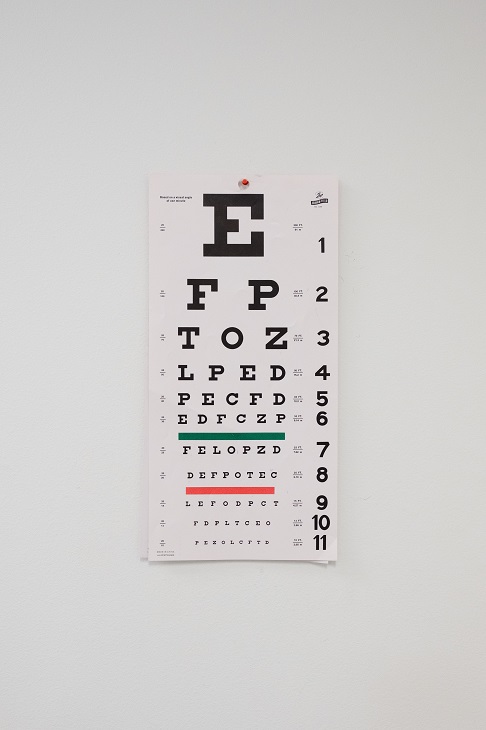
Image by Mark S. on Unsplash: What qualifies as visual impairment? Check with your state DMV to find out!

2. How To Get A Disabled Parking Permit When You’re Visually Impaired

If you have a visual impairment, you can easily get the process started for a disabled parking permit in your state. Check with the local DMV to see your state’s specific process, but in general you will need to:

  • Have a doctor (or optometrist) verify your qualifying medical condition
  • Make sure it is a qualifying condition within the state’s limits
  • Get an application directly from the DMV office or go to their website to download one
  • Complete the form with your health care provider
  • Submit the completed application in person or by mail

Fees for disabled parking permits also vary by state. Some states do not charge anything, while other states may charge a small fee. You can find out this information through your local DMV.

3. How To Approach Handicap Parking When Visually Impaired

Parking lots can be a trouble spot for drivers with low visual acuity or issues with field of vision. Aside from the fact that you must sometimes fit into spots that feel tight, getting out of the spot once you’re in it can also be an issue.

If you have issues with vision, here are a few parking tips that can help:

  • Choose a spot you can pull through. Selecting a parking spot you don’t have to back out of can be a good way to avoid accidents. Parking in a spot that allows you to pull through means you can more easily make a simple turn to get out of the parking spot.
  • Use spots outside the primary aisles. The busiest aisles can be difficult to navigate for low-vision drivers, especially when pulling out of a parking spot. A spot off the main thoroughfare allows you to reduce the risk cross-traffic can impose.
  • Choose spots by themselves. Another great tip is to park in spots that are not across from other parking spots. That way, you do not have to worry about another driver pulling out at the same time while also having to look out for cross-traffic.

These tips can be useful any time, but the best thing you can do is get and use a disabled parking permit. Disabled parking spots are not only close to the main entrance, but are often larger with a wider berth around them, making parking easier as well as getting in and out of the car.

Utilizing these spots will make parking much easier for those who are visually impaired, so it’s worth the time to go through the process of getting a permit to help you get around town.

Dr Handicap - visually impaired
Image by Wesley Tingey on Unsplash: What qualifies as visual impairment? Your eye doctor will know!

4. The Best Cars For Visually Impaired Drivers

A car that is easy to navigate is a must for any driver with visual impairments. Large, unruly vehicles that can be difficult to navigate in tight situations are likely not a great choice, though what you are comfortable driving is up to you.

No matter what type of car you drive, you may want to invest in some extras to make it easier. Blind spot mirrors are inexpensive and an easy way to help improve your visibility when driving. Many cars also have blind spot detectors, back up mirrors, and collision warning systems. If it’s in your budget, it’s not a bad idea to invest in a car with these types of additions to make navigating with impaired vision a little safer.

Featured image by Marina Vitale on Unsplash

Can Disabled Drivers Go Off-Road?

Handicap Parking In National Parks: All You Need To Know

Can Someone With Physical Disabilities Become A Truck Driver?